FISOFA works across five connected areas — from the soil to the market.
Agroforestry development
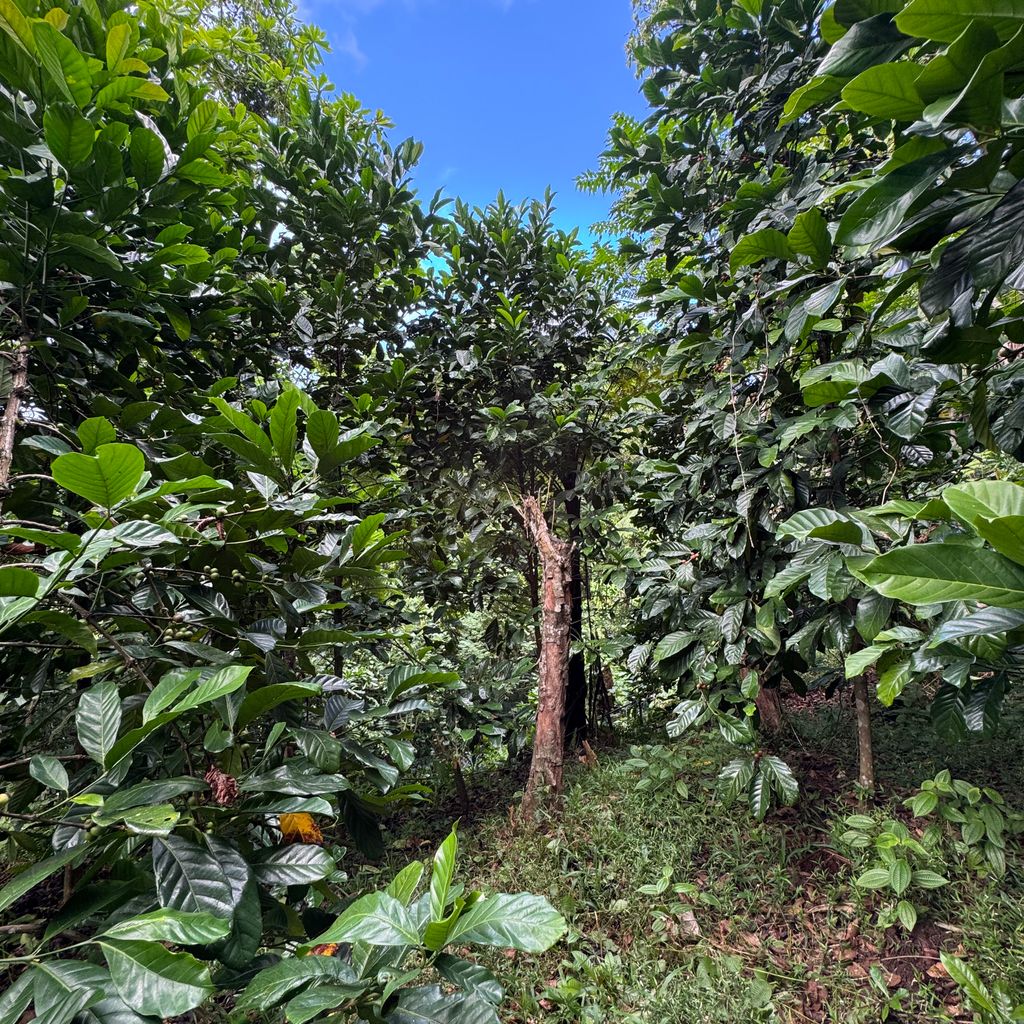
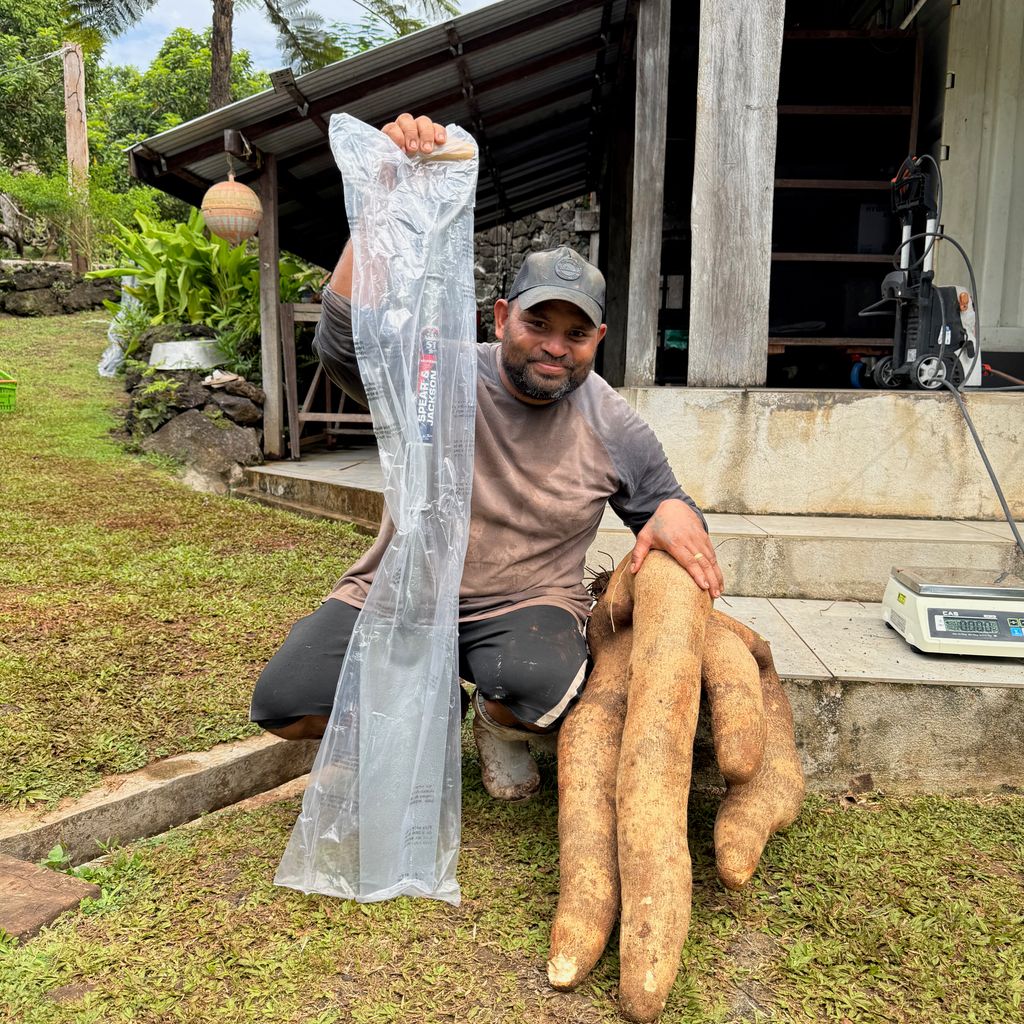
We support mixed agroforestry systems that combine short-term, medium-term, and long-term income opportunities: dalo, ginger, turmeric, chili, banana, moringa, kava, cacao, Liberica coffee, fruit trees, native trees, and selected high-value forestry species.
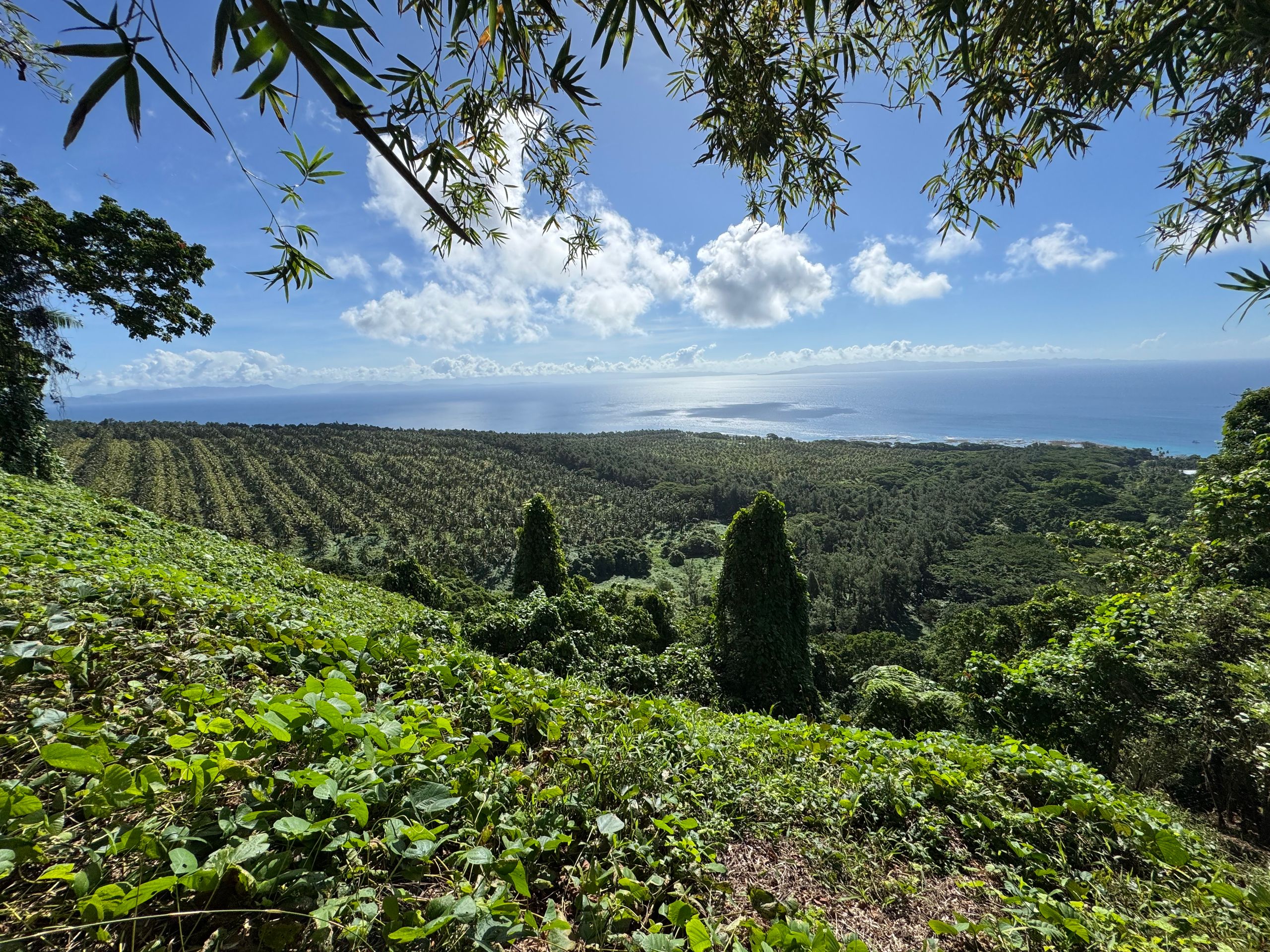
The goal is productive landscapes that provide food, income, shade, biodiversity, soil protection, and long-term resilience.
Organic and regenerative farming
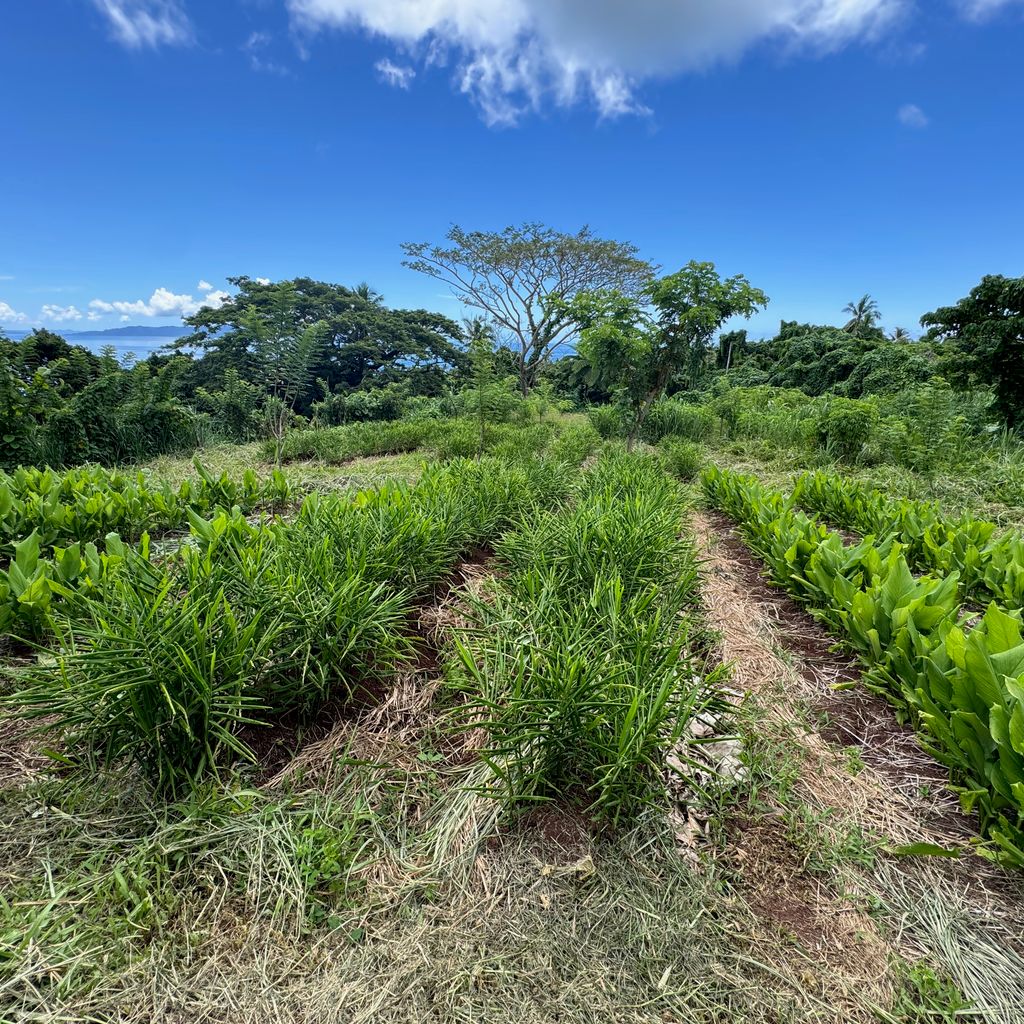
We promote farming practices that strengthen soil health, reduce chemical dependence, retain moisture, protect waterways, and support biodiversity — including composting, mulching, cover cropping, intercropping, organic soil fertility, erosion control, and integrated farm planning.
Farmer training
We provide practical, field-based training in nursery management, seedling production, planting and maintenance, pruning and harvesting, organic soil management, agroforestry design, post-harvest handling, drying and fermentation, farm records, traceability systems, and quality control.
Native reforestation and watershed protection
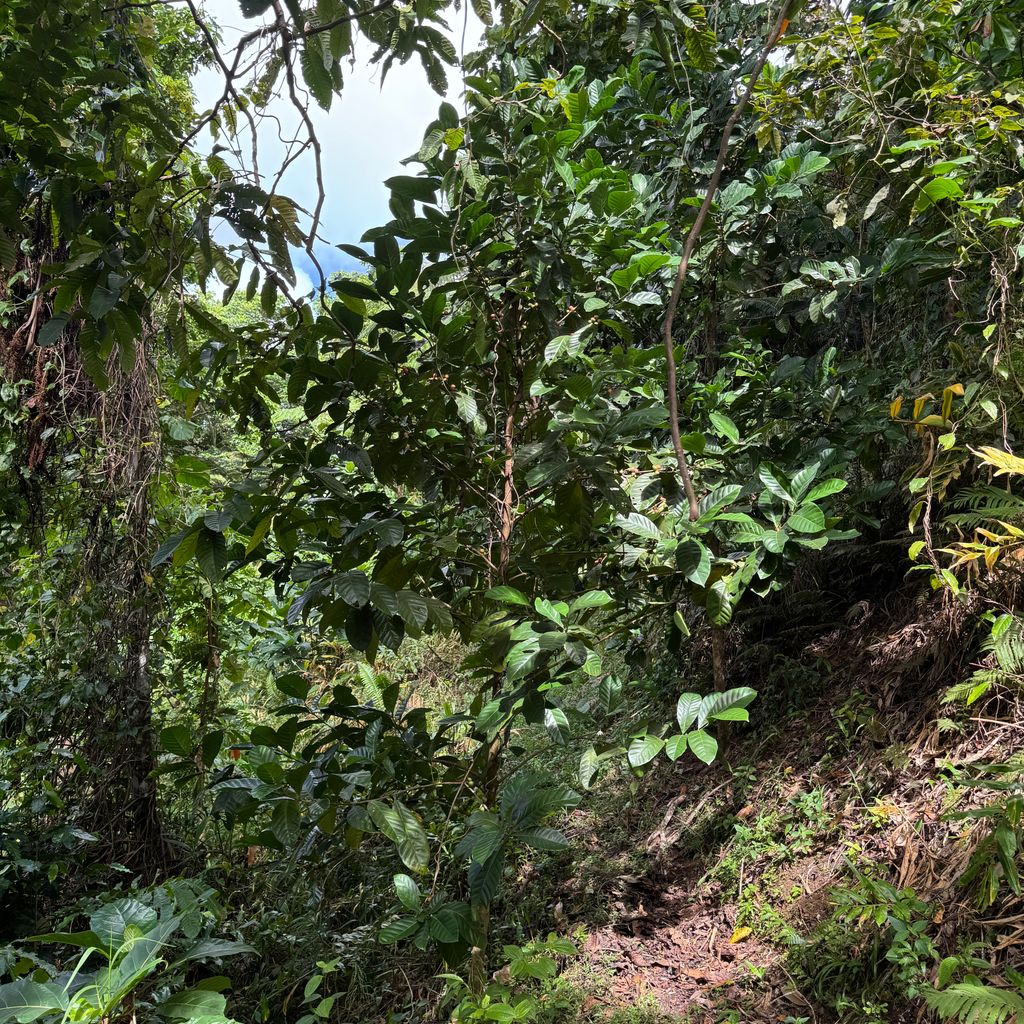
Not all land should be cultivated. Using land assessment and mapping tools, we identify areas that should be restored or protected — watershed zones, riparian areas, erosion-prone slopes, degraded forest margins, and biodiversity corridors — and support their reforestation with suitable native Fijian tree species.
Value-added supply chains
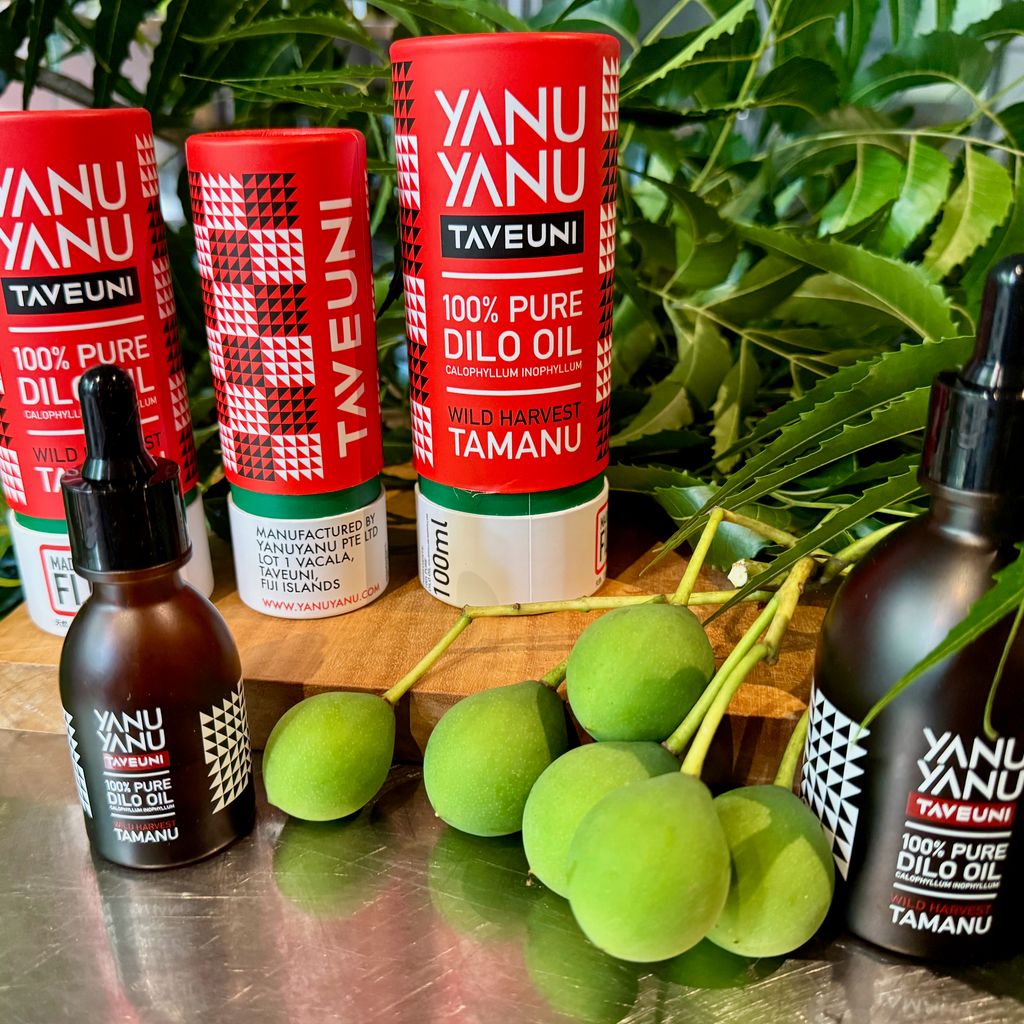
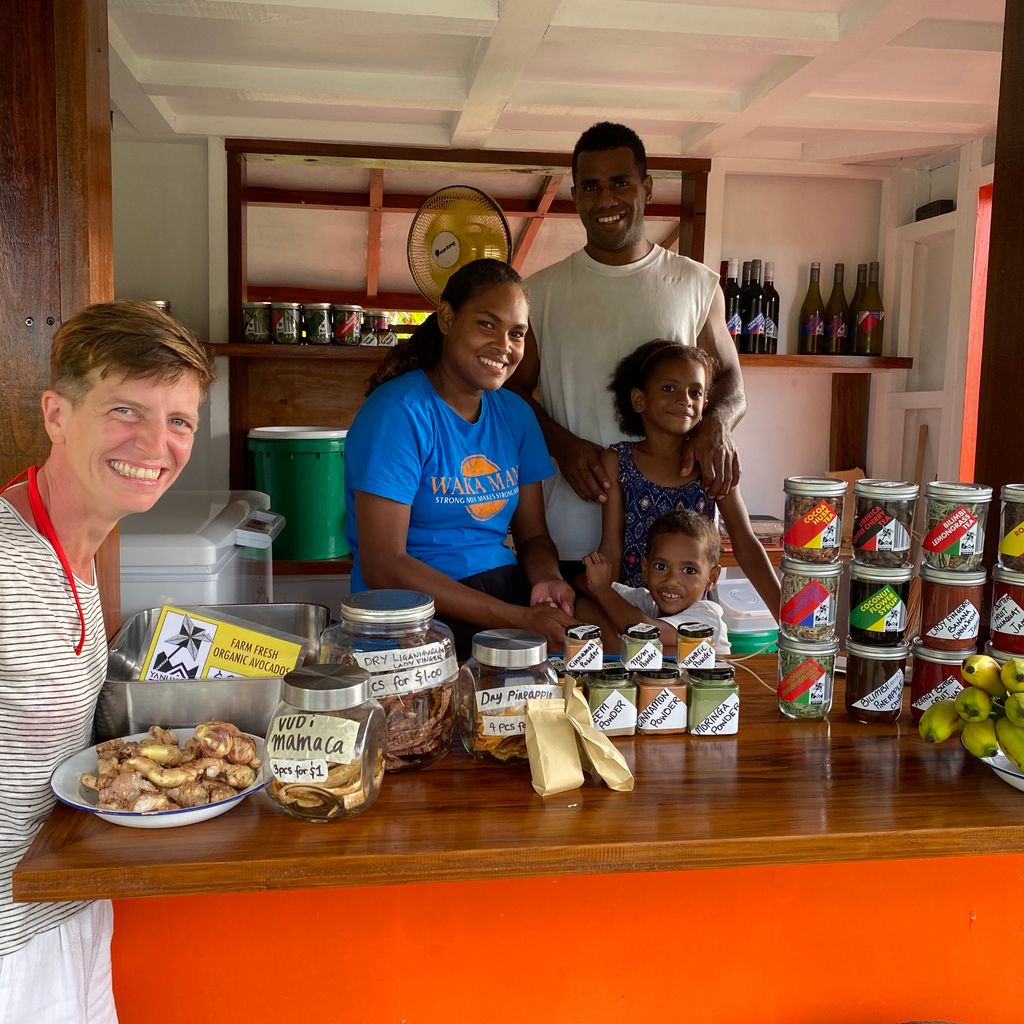
We help connect farmers and communities to value-added production opportunities: cacao and chocolate, Liberica coffee, turmeric powder, ginger products, moringa tea and powder, dried fruit, kava, dilo oil, coconut-based products, and native tree and forest products where legally and sustainably appropriate.
Market readiness
We support better quality, consistency, documentation, traceability, and aggregation — so rural producers can access stronger markets.